







The Lunar New Year in Vietnam, known as Tet, is the most important cultural celebration of the year. For travelers, it is also one of the most unique times to experience Vietnam in a deeper and more meaningful way. At Venus Travel Vietnam, we live through Tet every year as locals, and we often receive questions from international visitors about what Tet really is and what to expect when traveling during this period.
In this guide, we share a clear and honest local perspective. Our goal is to help you understand the Lunar New Year in Vietnam not as a festival to watch, but as a living tradition that shapes daily life, travel experiences, and human connections.
What Is Lunar New Year in Vietnam (Tet)?
The Lunar New Year in Vietnam, locally called Tet Nguyen Dan, marks the beginning of the new year according to the lunar calendar. It usually falls between late January and mid-February. Unlike Western New Year celebrations, Tet is centered on family reunions, gratitude to ancestors, and wishes for health and good fortune.
For Vietnamese people, Tet is a time to close the old year with reflection and welcome the new year with hope. Families return to their hometowns, homes are cleaned and decorated, and offerings are prepared for ancestors. Because of this, Tet affects almost every aspect of life in Vietnam, including travel, transportation, and business operations.
From a local point of view, Tet is not just one day. It is a season that includes preparation before Tet, celebration during Tet, and a gradual return to daily life after Tet.
What Does the Year of the Horse Mean?
Each Lunar New Year is associated with one animal from the zodiac cycle. In 2026, Vietnam welcomes the Year of the Horse. In Vietnamese culture, the horse symbolizes energy, independence, movement, and determination.
People born in the Year of the Horse are often believed to be active, optimistic, and strong-minded. During a Horse year, many Vietnamese hope for progress, positive change, and new opportunities. You may notice this symbolism reflected in New Year greetings, decorations, and conversations during Tet.
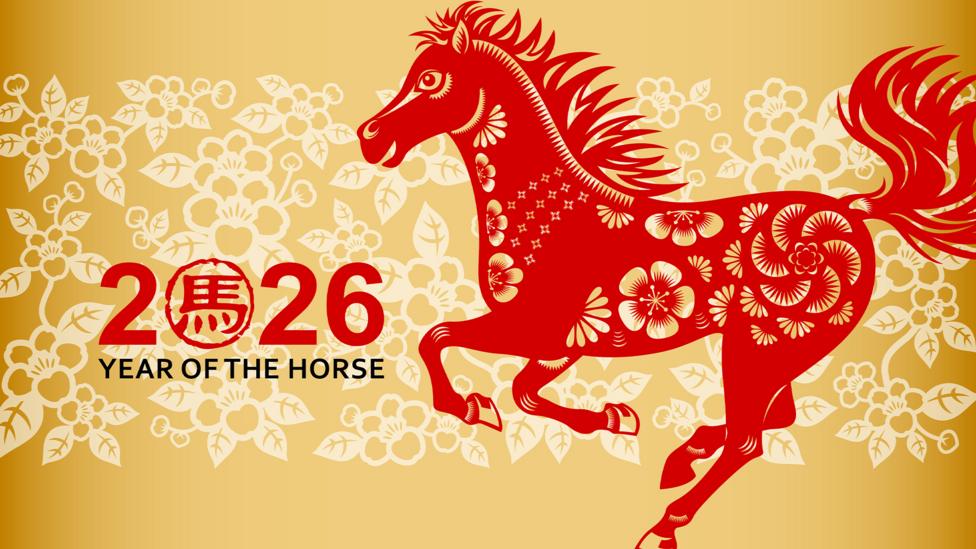
For travelers, understanding the zodiac meaning adds cultural depth to the experience. It helps explain why certain themes, colors, or messages appear during the celebration.
How Vietnamese People Celebrate Tet
To truly understand the Lunar New Year in Vietnam, it helps to look beyond decorations and public celebrations. Tet is built around many small, personal rituals that happen quietly inside homes, neighborhoods, and family circles. These are moments that most international travelers only notice if someone explains them.
Before Tet: Preparing the House and the Spirit
Before Tet, Vietnamese families do more than clean their homes. This is considered a symbolic act of letting go of bad luck, unfinished business, and negative energy from the old year. Many people believe that how you enter the new year reflects how the year will unfold.
One interesting detail many foreigners do not know is that people often avoid arguing or expressing anger during this period. Even small conflicts are postponed until after Tet. Emotional harmony is taken very seriously.
Another lesser-known tradition is choosing the right time to shop. Many families prefer to buy food, clothes, and household items before Tet to avoid spending money during the first days of the new year, as this is believed to prevent financial loss.

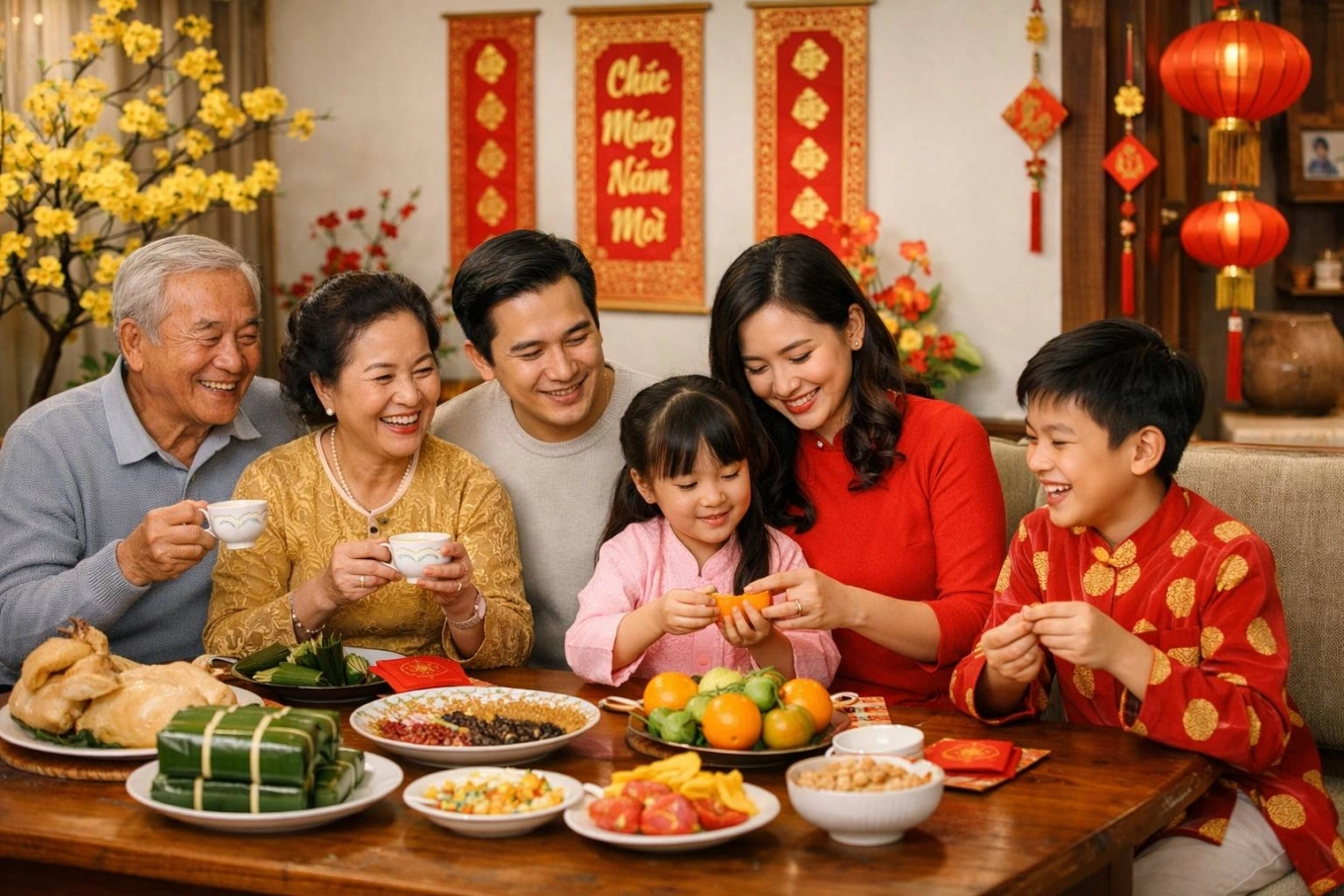
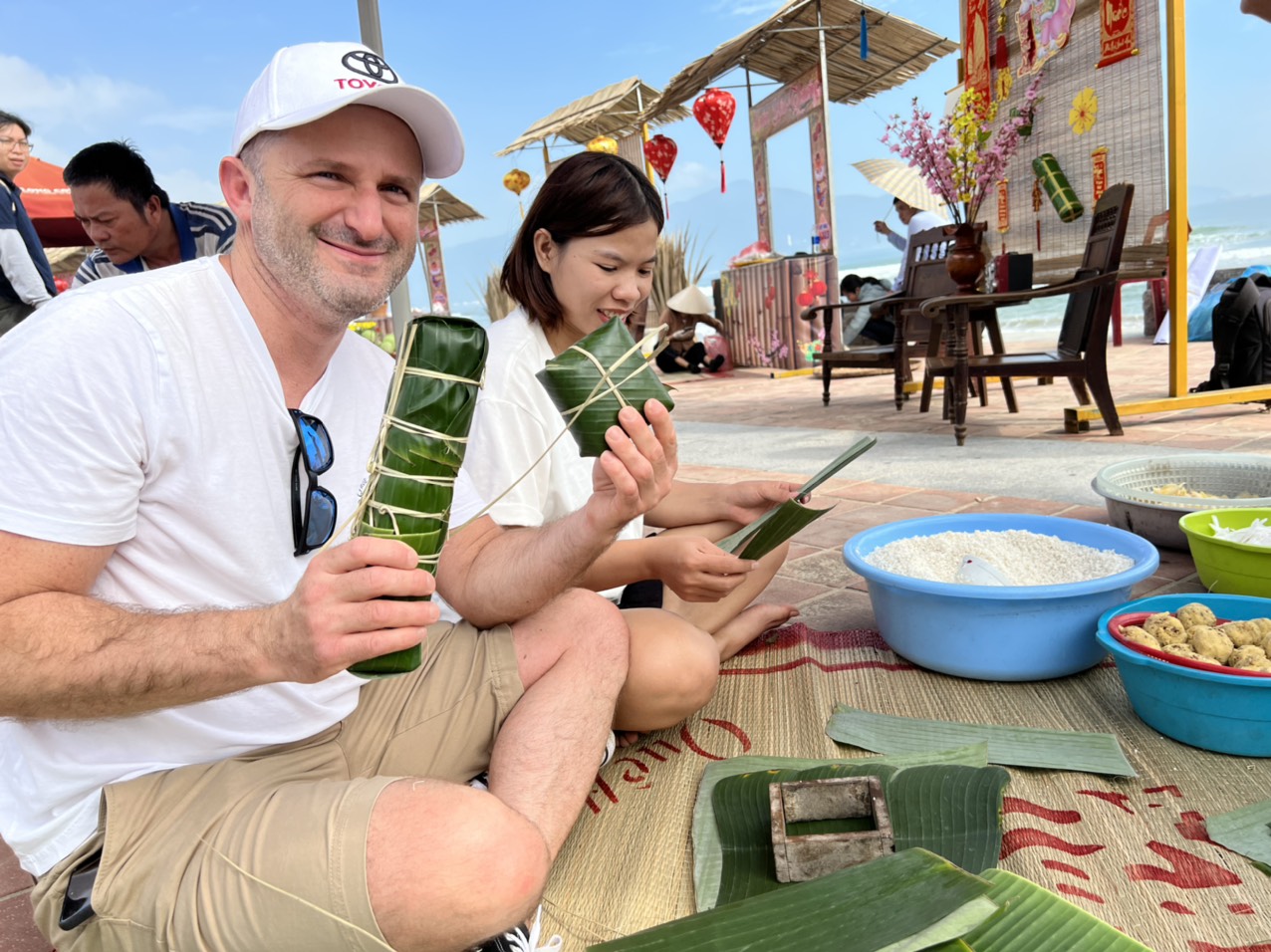
Food preparation is also deeply meaningful. Families gather to cook traditional dishes together, often late into the night. This is not about efficiency. It is about togetherness. In many homes, these cooking sessions are the rare moments when three generations sit together and talk.
During Tet: Family First, Everything Else Second
During Tet, the focus shifts completely to family. The first day of the Lunar New Year is usually reserved for the closest family members only. Visiting friends or outsiders on this day is traditionally avoided.
One unique belief that surprises many international visitors is the importance of the first guest of the year, known as the first footer. Families carefully choose who enters their home first after midnight, believing this person’s character and luck will influence the entire year.
Another insight is how quiet cities become. This is not accidental. Vietnamese people intentionally slow down. Shops close not because of lack of demand, but because rest is considered essential. Working on the first days of Tet is traditionally seen as inviting hardship.
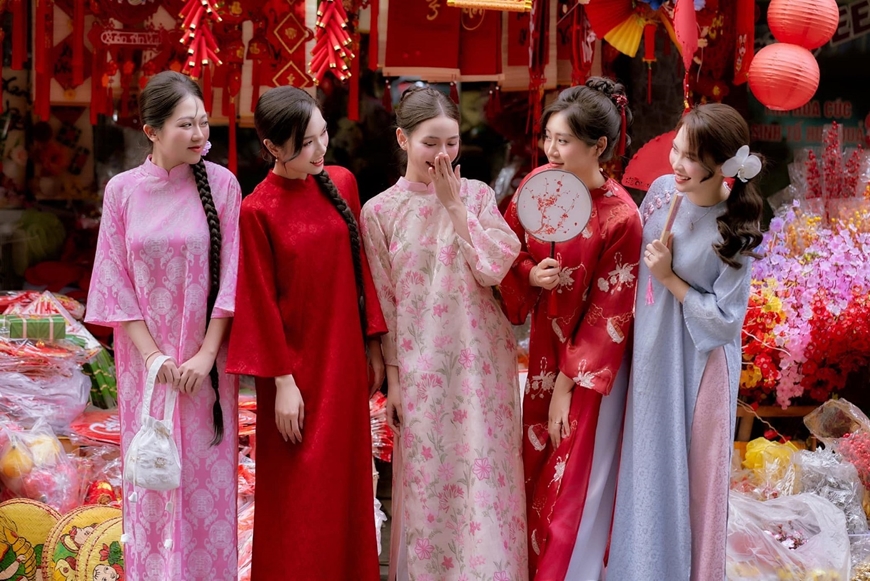
Temple visits during Tet are not dramatic ceremonies. They are usually calm and personal. People light incense, make silent wishes, and leave quickly. It is not about asking for miracles, but about setting intentions.
After Tet: Gradual Return and Lingering Beliefs
After the main Tet days, life slowly returns to normal. However, many people still follow Tet-related beliefs for several days. For example, some avoid sweeping the house to prevent sweeping away good luck. Others delay important decisions until after the full moon of the first lunar month.
Interestingly, this period is when people feel most open. New plans are discussed, business ideas are shared, and personal goals are openly talked about. For locals, Tet is both an ending and a beginning.
What Most Foreigners Never Realize
What many international travelers do not realize is that Tet is not a performance. Vietnamese people do not celebrate for visitors. They celebrate for themselves, their families, and their ancestors.
If travelers are invited into a local home during Tet, it is considered a genuine gesture of trust and respect. Even a simple cup of tea shared during this time carries emotional value.
From our local perspective, these quiet, human moments are what truly define Tet. They cannot be scheduled, advertised, or recreated. They simply happen.
What Travelers Should and Should Not Do During Tet
Traveling during the Lunar New Year in Vietnam can be deeply rewarding, but it also comes with cultural nuances that are easy to miss. From our local experience, a few small adjustments in behavior can make a big difference in how Tet feels for international visitors.
What Travelers Should Do
First, slow down and observe. Tet is not about rushing between attractions. Walking, people-watching, and noticing small details often create the most meaningful moments. Quiet streets, family gatherings, and decorated homes tell more stories than busy schedules.
Second, show respect in religious spaces. When visiting pagodas or temples, dress modestly and speak softly. Even a short visit is appreciated when done respectfully. Locals value intention more than time spent.
Third, accept hospitality when it is offered. If someone invites you for tea or offers food, it is a sincere gesture, especially during Tet. A polite acceptance, even for a short moment, is considered respectful and warm.
Finally, plan ahead and stay flexible. Transportation, opening hours, and services may change. Understanding this in advance helps you enjoy the experience rather than feel frustrated by it.
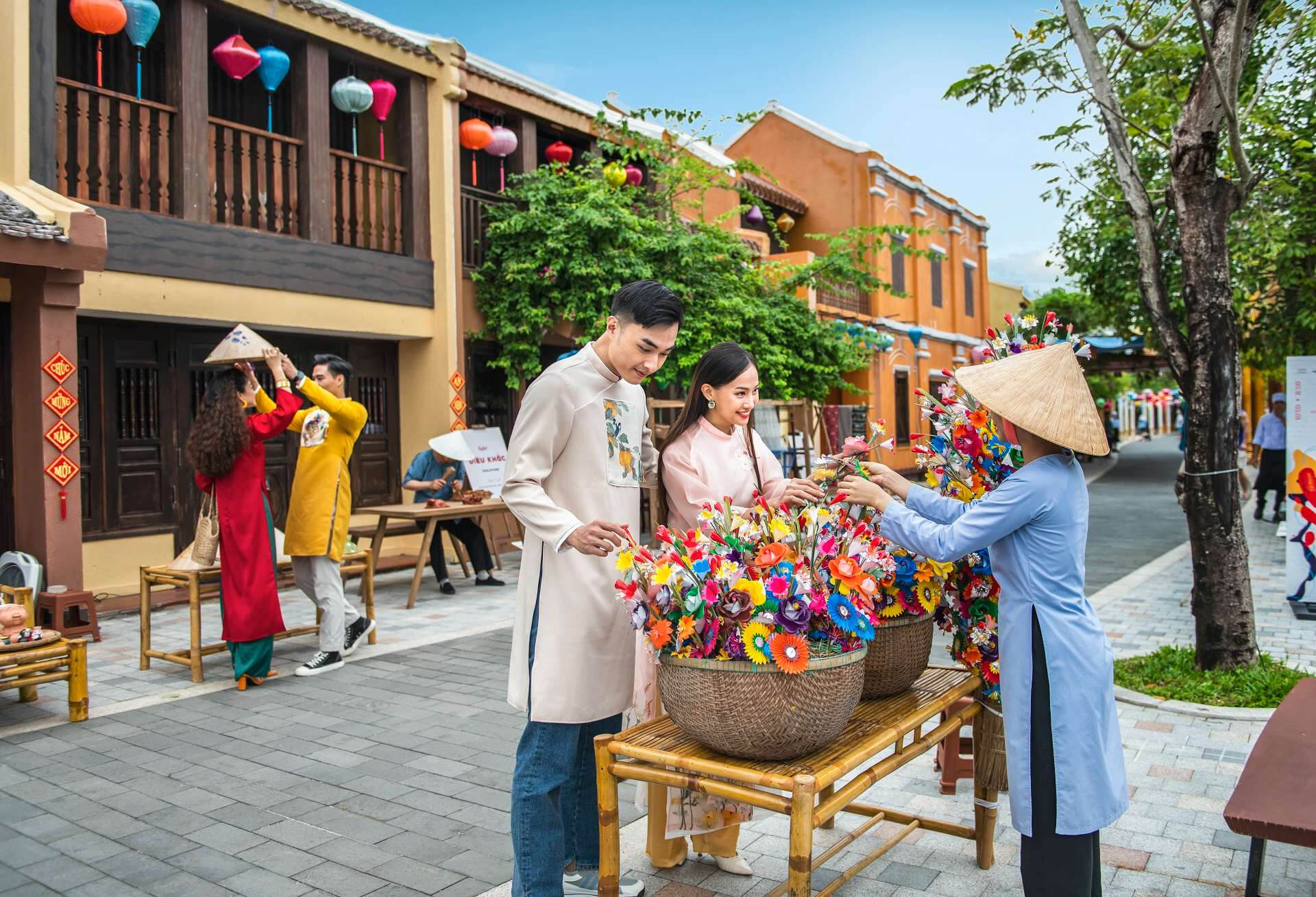
What Travelers Should Not Do
Avoid expressing frustration when things are closed or delayed. For locals, Tet is a time of rest and family, not business efficiency. Showing patience is seen as cultural awareness.
Do not take photos of people or family rituals without permission. Many Tet moments are private and meaningful. Asking first is always appreciated and often leads to friendlier interactions.
Avoid discussing sensitive topics, such as money, age, or personal problems, during Tet visits. The new year is meant to start with positive words and good energy.
Lastly, avoid treating Tet as a spectacle. It is not a show or a festival designed for tourists. Approaching it with curiosity and humility allows deeper connections to happen naturally.
What Tet Feels Like for International Travelers
For many international travelers, experiencing Tet in Vietnam feels very different from what they expect. Instead of crowds and fireworks everywhere, they often encounter calm streets, closed shops, and a slower rhythm of life. At first, this can feel confusing. Then, gradually, it becomes meaningful.
During Tet, cities breathe differently. Traffic decreases, noise softens, and mornings feel quieter. Travelers often tell us that this is the first time they notice small details, such as the sound of incense burning at temples or families cleaning their doorsteps together. These moments are subtle, yet deeply human.
Another common feeling is intimacy. Tet is not a public celebration in the Western sense. It happens behind doors, around family tables, and in private rituals. When travelers are invited into these spaces, even briefly, they often feel honored. A simple smile, a shared cup of tea, or a few exchanged words carry more weight than usual.
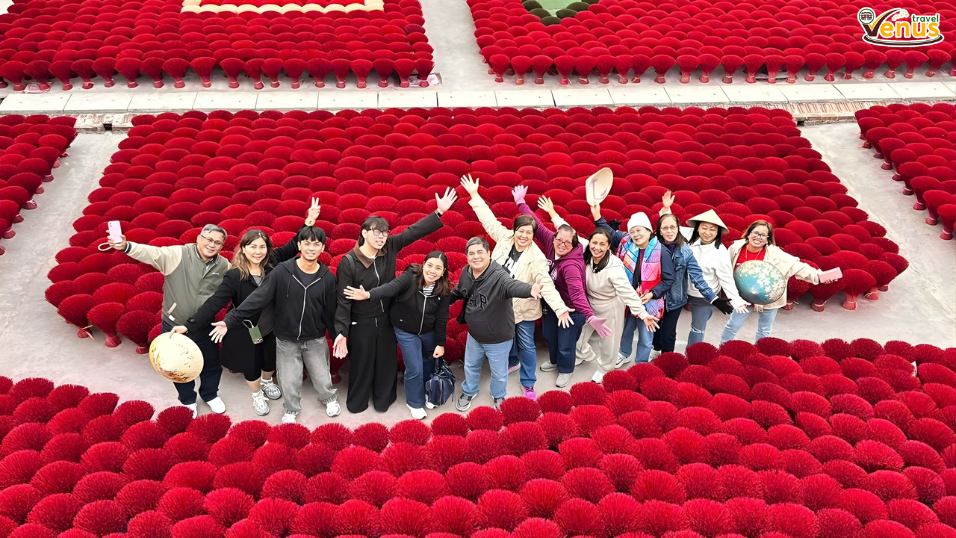
At the same time, Tet challenges expectations. Some plans may change. Restaurants may open later. Transportation may feel less predictable. However, travelers who accept this uncertainty often describe Tet as authentic rather than inconvenient. They experience Vietnam as it truly lives, not as it performs for visitors.
Many international guests later say that Tet helped them understand Vietnamese values more clearly. Family, respect, patience, and gratitude become visible through everyday actions. These impressions stay with them long after the trip ends.
From our local perspective, Tet is when travelers stop being observers and start feeling connected. It may not be the easiest time to travel, but for those who embrace it, it is often the most memorable.
Local Advice from Venus Travel Vietnam
After many years working on the ground, we have learned that traveling during the Lunar New Year in Vietnam is less about planning perfectly and more about understanding the local rhythm. Tet is not designed for tourism, and that is exactly what makes it special.
Our first advice is to adjust expectations. Tet is quieter, slower, and more personal. When travelers accept this pace, they often discover moments that feel genuine and unscripted. Instead of asking what is missing, it helps to notice what is present.
We also encourage travelers to be culturally curious rather than busy. Simple actions, such as greeting locals politely, dressing respectfully at temples, or observing family rituals from a distance, show awareness and respect. These gestures often lead to warmer interactions.
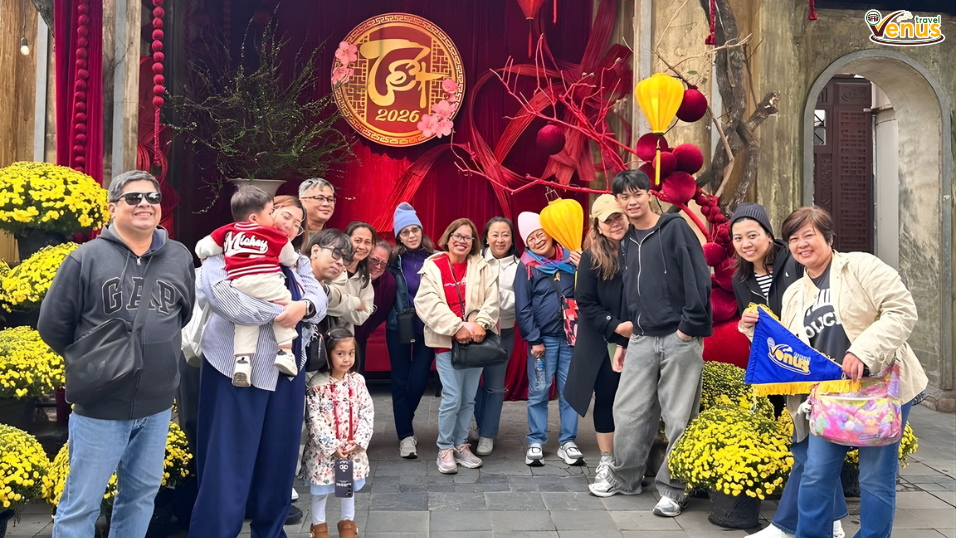
From a practical point of view, flexibility is essential. Opening hours may change, transportation can be busier, and some services pause briefly. Planning with buffer time and open schedules allows the experience to flow naturally.
Most importantly, we believe Tet is best experienced with guidance from people who live it every year. As local experts, our role is not to create a show, but to help travelers understand what they are seeing and why it matters.
When approached with patience and respect, the Lunar New Year in Vietnam becomes more than a holiday. It becomes a cultural conversation, one that many travelers remember long after they leave.
Conclusion
For travel agencies planning to bring clients to Vietnam, especially during culturally sensitive periods like the Lunar New Year, local understanding makes all the difference. Tet is not just a holiday on the calendar. It is a time when Vietnam lives differently, and only local knowledge can turn these changes into meaningful experiences.
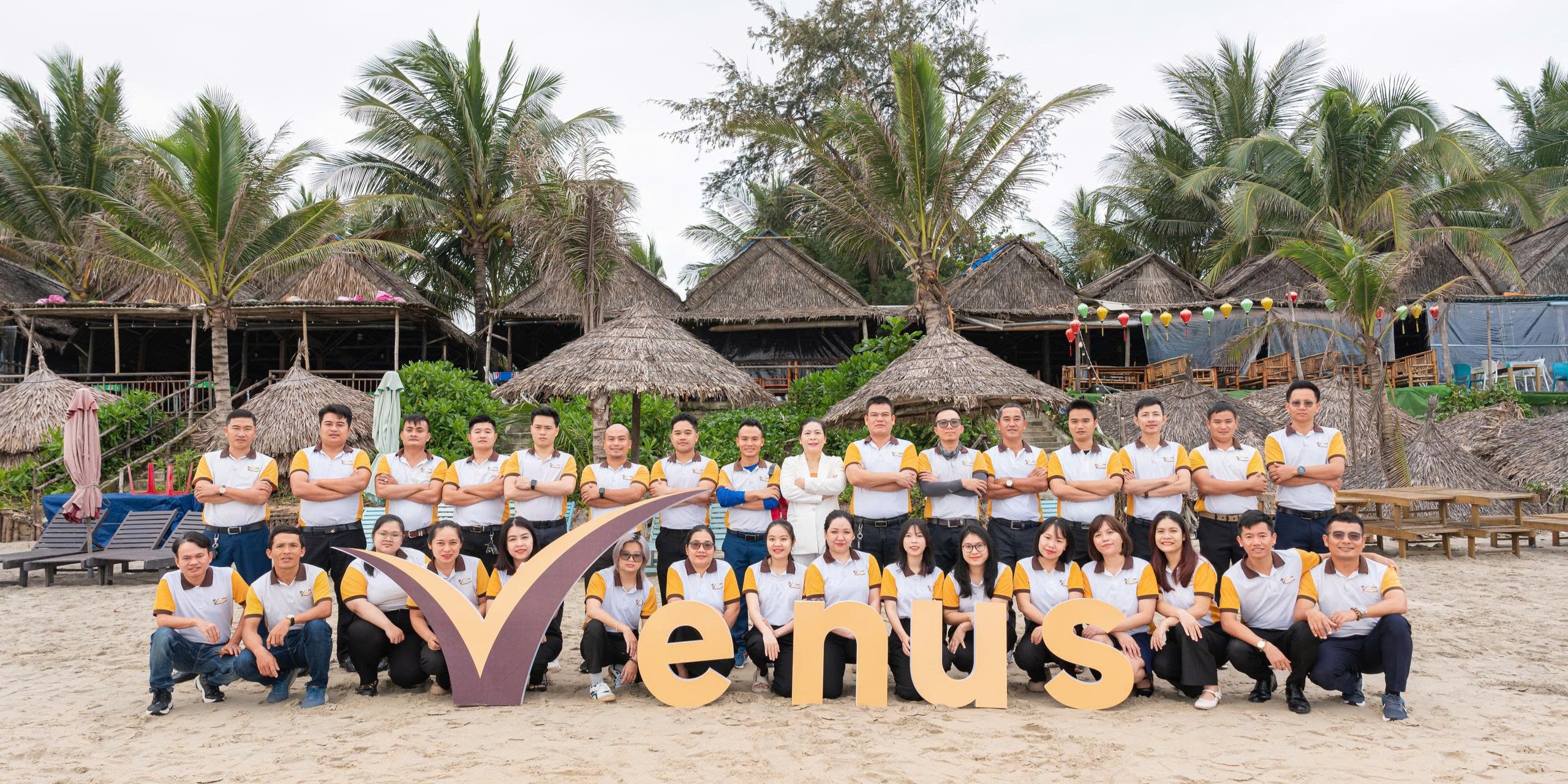
At Venus Travel Vietnam, we work as a local experts team who live this culture every day. We understand how traditions shape travel flow, how local habits affect operations, and how to design itineraries that respect both culture and client expectations. Our role is to support you with honest advice, realistic planning, and on-the-ground insight.
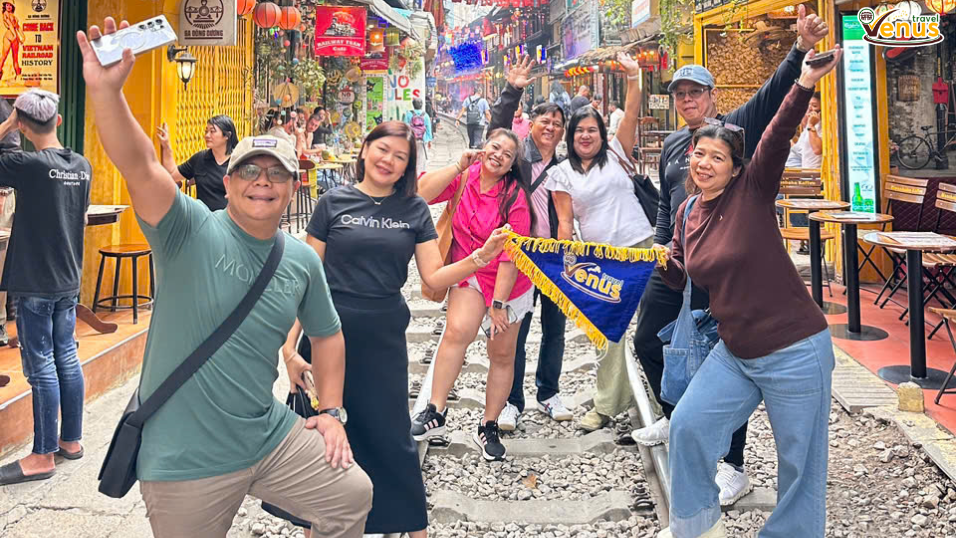
If you are looking for a trusted local partner to help your clients experience Vietnam in an authentic and well-managed way, we would be glad to work alongside you. Together, we can create journeys that feel genuine, respectful, and memorable for every traveler you bring to Vietnam.
To see why agencies worldwide trust us as the best Vietnam DMC and one of the best Vietnam Tour operators, please check out our website, platform, and social media for real testimonials and verified case studies:
- Branch 1: 14 An Nhon 10, Da Nang City, Vietnam
- Branch 2: 429A Cua Dai St, Hoi An City, Viet Nam
- Email: info@venustravelindochina.com
- Instagram/Youtube/Tiktok/Facebook: venustravel_vietnam
- Website: https://venustravelindochina.com/
- Travelers’ Choice in 2025 on Tripadvisor: https://www.tripadvisor.com.vn/Attraction_Review-g298082-d12261731-Reviews-Venus_Travel-Hoi_An_Quang_Nam_Province.html
- Top Rated on GetYourGuide: www.getyourguide.com/s/?q=supplier:87597
- Whatsapp/Zalo/Viber: (+84) 905 775 088 (English)/ (+84) 964 056 190 (Chinese)